
Ask most teens about their history class, and you’ll probably hear groans about dates, names, and tests. But hand them a well-written novel set in the same era, and suddenly the past doesn’t feel so far away. That’s the magic of young adult historical fiction—it makes history feel alive, personal, and worth caring about. Instead of dry lectures, it gives readers characters they can root for, struggles they can relate to, and emotions that stick long after the last page.
Stories Bring Humanity to the Facts
History textbooks are designed to be objective. They aim for accuracy, but that sometimes means stripping away the human element. Battles become numbers, leaders become names, and movements become paragraphs. Teens often find themselves asking, “Why should I care?”
That’s where historical fiction changes the game. It doesn’t just present the facts; it builds a world around them. Through a character’s eyes, readers see how decisions, conflicts, and triumphs felt in the moment. Suddenly, the Civil War isn’t just about troop movements—it’s about a teenager watching a loved one march off to battle, or a family struggling to keep their farm together.
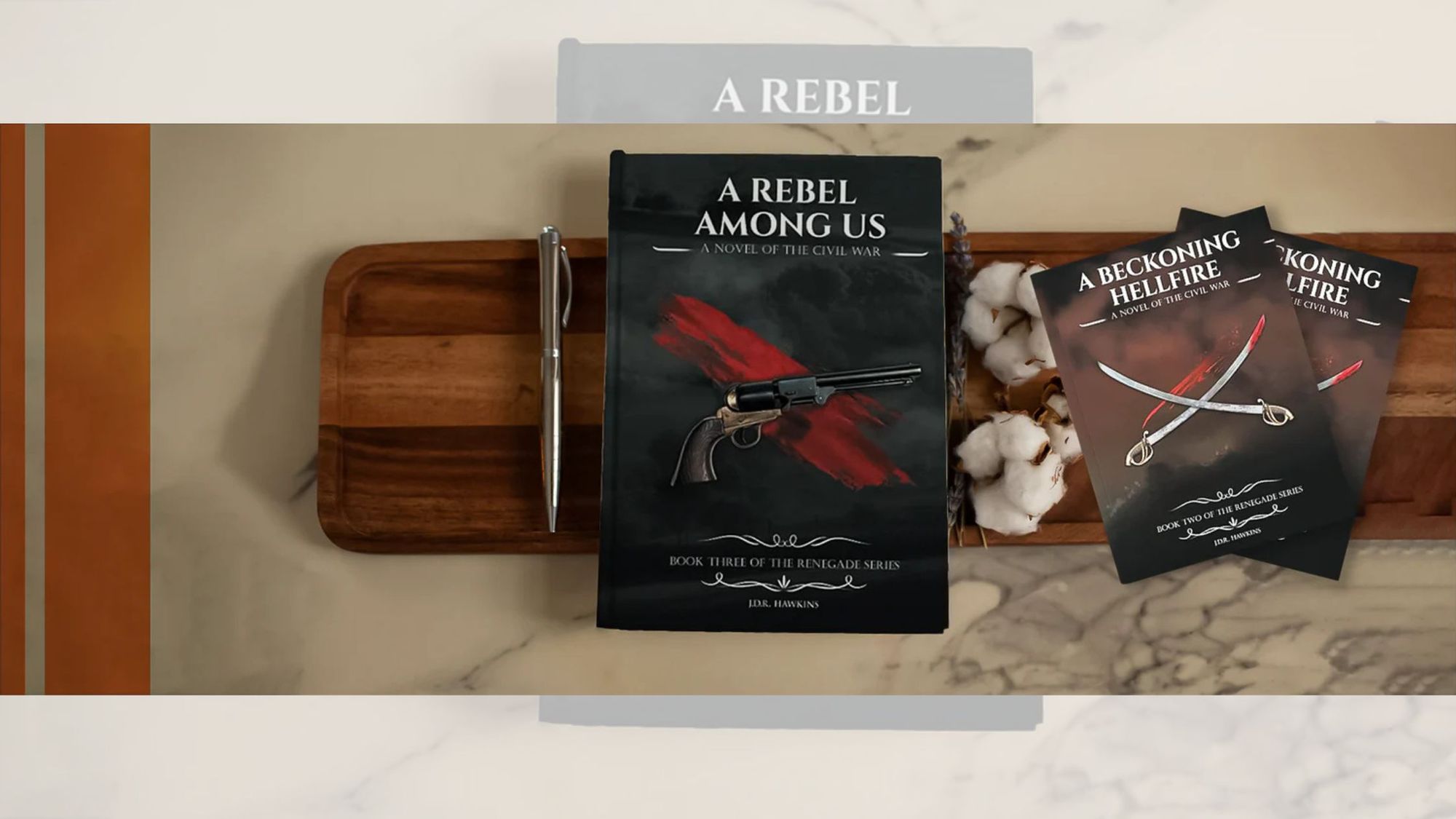
Award-winning author J.D.R. Hawkins captures this beautifully in her Renegade Series. Her novels, like A Beautiful Glittering Lie and A Beckoning Hellfire, give voice to young characters whose lives are upended by war. By showing how ordinary families endured extraordinary circumstances, Hawkins makes history intimate and unforgettable. For teen readers, that kind of storytelling connects far more than memorizing timelines ever could.
Emotional Connection Makes Learning Stick
Teenagers crave stories that tap into real emotions—fear, love, loss, and hope. Historical fiction does exactly that. When a young reader follows a character’s struggles, they’re not just absorbing facts; they’re building empathy.
In A Rebel Among Us, Hawkins introduces a Northern girl who discovers a Confederate soldier in her family’s barn. Their interactions show the tension between loyalty, compassion, and duty. For teen readers, this conflict is both thrilling and relatable, because it echoes the kinds of moral choices they wrestle with today—though, of course, in less dangerous circumstances.
Psychologists often note that we remember what we feel more than what we’re told. That’s why historical fiction lingers. A lesson about the brutality of war might fade, but a character’s heartbreak in a letter home can stick for years.
Relatable Characters Break Down Barriers
One of the biggest hurdles in teaching history is that teens don’t see themselves in the material. Kings, generals, and presidents dominate textbooks, but what about kids their own age?
This is where young adult historical fiction shines. By putting teens or young adults at the center of the story, it gives readers someone to identify with. Instead of feeling like passive observers of the past, they become participants. Characters their age face family struggles, personal dreams, and questions of identity—all set against a historical backdrop.
Hawkins’ novels, for example, don’t just tell us about the Civil War; they let us step into the shoes of characters who were growing up in its shadow. Readers realize that young people of the 1860s faced many of the same feelings—confusion, first love, and fear of the future—that teens still deal with today.
A Safe Space to Explore Hard Topics
History can be heavy. War, slavery, injustice, and loss are not easy subjects for teens to process. In class, these topics might come across as cold or overwhelming. But in fiction, they are filtered through personal stories, which makes them more approachable.
A novel can guide readers through tough realities with empathy. It doesn’t minimize the hardship, but it softens it with human perspective. Teens walk away with a deeper understanding, not because they were lectured, but because they lived it alongside a character.
Even in Fool’s Gold Folly: A Story of Irish Resilience, Hawkins shows the struggles of immigrants after the Civil War. Instead of dry statistics, the novel reveals hardship through the daily experiences of a family chasing the American Dream. Stories like this give readers room to process tough issues while still holding onto themes of perseverance and hope.
The Past Feels Relevant to Today
Teenagers often wonder, “What does this have to do with me?” Historical fiction bridges that gap. By weaving universal themes—identity, courage, injustice, love—into historical settings, authors show that the past isn’t so different after all.
Reading about young characters who fight against social expectations or stand firm in the face of hardship mirrors the challenges teens face now. While the context may differ, the feelings resonate. That recognition makes the past not only understandable but also meaningful.
Why Stories Outshine Textbooks
To be clear, history classes are essential. They provide structure, accuracy, and critical thinking. But fiction adds something just as valuable: a heartbeat. It transforms abstract lessons into lived experiences. For teenagers, that transformation is what makes history memorable.
Authors like J.D.R. Hawkins prove that historical fiction is more than just entertainment. Her work shows how stories can build bridges between past and present, fact and feeling. For teens who find themselves yawning in history class, picking up a novel can be the key to finally connecting with the subject.
Final Thoughts
Teens connect more deeply with historical fiction because it gives them characters to care about, emotions to hold onto, and stories that mirror their own struggles. It transforms history from a list of facts into a living, breathing experience. That’s why young adult historical fiction has such staying power—it makes the past feel close enough to touch.
For many readers, it’s not the classroom that sparks a lifelong love of history. It’s the moment they turn the page of a novel and realize the past isn’t gone at all—it’s still alive in every story.